
Secretly Wounded Leaders and the Cost of Carrying Trauma
Mar 04, 2026If you’re a therapist, coach, or helper who wants to build a course, there’s a quiet fear that often rides along with you: “What if I’m not actually ready?” So you do what high-capacity people do. You learn more, read more, get another certification, and keep preparing, because preparing feels safer than being seen.
It’s like trying to feel steady by stacking books on a shaky table. From the outside, you look solid. Inside, you’re tired.
In a recent Scaling Therapist Podcast conversation, leadership coach Jeff Mattson gave a picture I can’t stop thinking about: “Get your trauma baggage down to carry-on size.” Not gone. Not perfect. Just light enough to carry without it spilling all over the people you love and the people you lead.
That idea isn’t just for “big leaders.” If you’re building an online offer, you’re leading. And leadership has a way of revealing what’s been hiding.
The real problem
Most of us think the obstacle is content, tech, or time. But often the real obstacle is something deeper: you don’t feel safe being fully seen. So you manage your image. You stay “fine.” You keep it together. That can work for a while… until it starts leaking.
Jeff described a pattern he sees in leaders again and again: some people respond to pain by playing the victim, and others respond by achieving. Achievement isn’t bad. But if you’re achieving to outrun what hurts, it eventually costs you. You may build something impressive while slowly losing connection at home, in friendships, or even in your own body.
When you finally sit down to create a course, you don’t just bring your expertise. You bring your whole self, including the parts that learned to survive through performance.
Why high achievers often struggle in relationships
Here’s one of the simplest reasons: work can reward your coping strategy, while home usually won’t.
At work, you can be the problem-solver, the dependable one, the one with answers. You get the “atta-boys” and the dopamine hits. At home, your spouse or kids don’t need a polished version of you. They need you present, honest, and regulated.
If you don’t know how to be that (yet), you may drift toward escapism, isolation, or compartmentalizing, which means being one person at work and another at home. You can’t live a divided life forever without paying for it. You spend so much energy managing who sees what that there’s not much left for love.
Integrity is integration
Jeff said something worth repeating: integrity isn’t moral perfection. Integrity is integration. It’s bringing your heart, mind, body, soul, and relationships into the same room. Not to shame yourself, but to stop leaking onto others.
When leaders do the work, everybody in their wake benefits. When leaders don’t, everybody in their wake pays. That’s not a threat. It’s just how humans work.
A simple 3-step plan to “carry-on size” your baggage
You don’t need a dramatic overhaul this week. You need a faithful first step. Here’s a simple plan pulled straight out of what Jeff and his team do with leaders.
Step 1: Know your wiring
Not as a label, but as a map. When you understand how you’re wired, you start seeing patterns: what drains you and restores you, how you react under pressure, what you tend to control when you feel unsafe, and how you impact people without realizing it. A map doesn’t solve the whole journey, but it stops you from wandering in circles.
Step 2: Know your story
This is where the real weight gets named. Looking back across your life and noticing where trauma, powerlessness, or helplessness got stored isn’t about getting stuck in the past. It’s about stopping the past from quietly steering your present. What you don’t name, you tend to act out, sometimes as perfection, sometimes as people-pleasing, sometimes as overworking.
Step 3: Stay healthy over time
The goal isn’t a one-time breakthrough. It’s steady wholeness. Build rhythms that keep you grounded, honest friendships, wise support, healthy boundaries, and practices that help you stay present. Trauma left unaddressed will quietly prioritize itself. But health, practiced consistently, grows roots.

The negative stakes of avoiding the work
If you don’t lighten the load, your course slowly becomes another performance treadmill. You keep telling yourself, “One more certification… one more tweak… one more round of research.” The finish line keeps moving because the real issue was never your readiness; it was your fear of being fully seen. Meanwhile, the stress doesn’t disappear. It just shifts locations.
Over time, that pressure leaks into your relationships and your leadership. You become more reactive, more distracted, more driven to prove. Even if your intentions are good, people feel the tension. And the hardest part? You may not even realize it’s happening, because achievement can mask exhaustion for a long time.
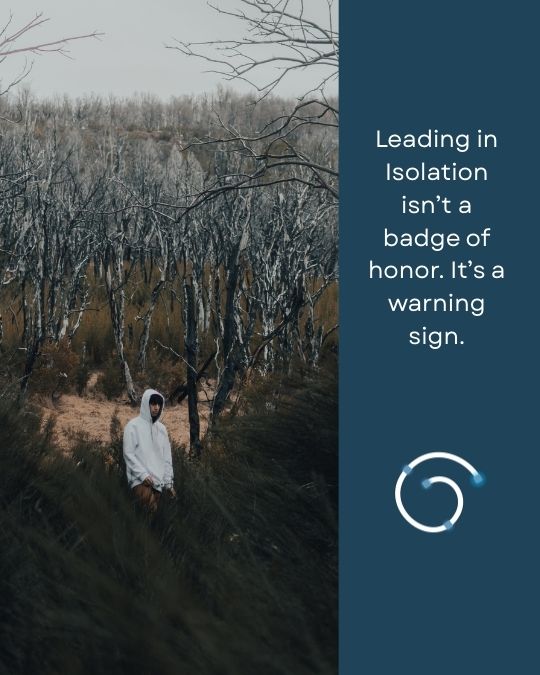
Isolation makes all of this quieter and heavier.
The positive stakes of doing the work
But when you begin to lighten the load, even a little, you start creating from peace instead of pressure. You don’t need your course to validate you. You want it to serve someone. That shift changes everything. Your work becomes an act of stewardship instead of self-protection.
You also become more present. Less guarded. More congruent. The version of you on Zoom, at home, or in a team meeting starts to look like the same person. That kind of integrity builds trust. And trust is what allows your message, and your impact, to grow.
Your course will carry more weight when you don’t.
A gentle invitation before you build the course
If you’re looking for help for therapists creating online courses, hear me: you don’t need a perfect plan. You need a healthier foundation.
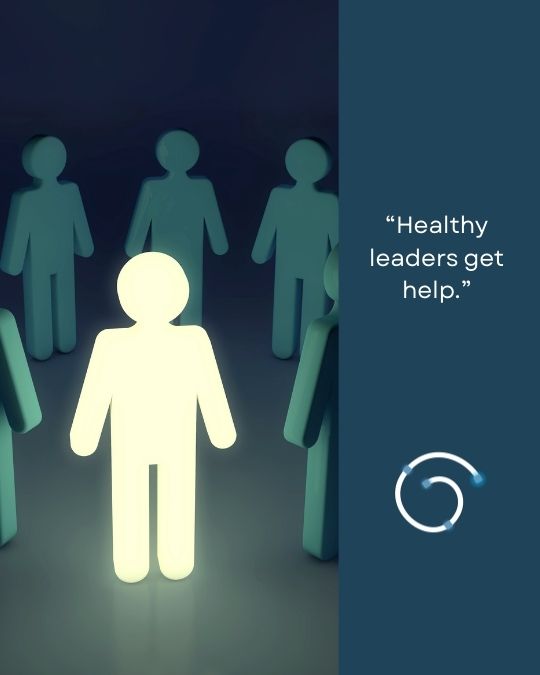
One of the most practical leadership moves you can make is this: get help. Healthy leaders get help.
If this theme hits close to home, consider taking one small step this week. Write a one-page timeline of key moments that shaped you. Name the coping strategy you lean on most. Tell one safe person the truth about what you’re carrying. Or reach out for support: coaching, counseling, or a trusted community.
Your course can be the ship from Island A to Island B. But you don’t want to build the ship while dragging a trunk behind you.
Lighten the load first. Then build.
Resources & Mentions
- Living Wholehearted: https://livingwholehearted.com
- Jeff’s book: Shrinking the Integrity Gap (Between What Leaders Preach and Live)
- Core Values Index (assessment tool Jeff references): https://corevalues.com
15 Ways To Create Income Flow from What You Already Know
Subscription give you weekly updates on blogs, podcasts, webinars, and offers from CCS and their partners. We hate SPAM. We will never sell your information, for any reason.
