
How to Explain Your Offer So the Right People Say, “That’s for Me”
Jul 15, 2026
You can build a great course, a coaching program, or a thriving therapy practice and still struggle to get people to say yes.
If you've ever looked at your website and thought, "I know I can help people. Why isn't this connecting?" you're not alone.
Most of us spend years learning how to help people. We spend very little time learning how to talk about it.
This is where we get tricked.
We spend so much time explaining what we do that we forget to explain why someone would want it in the first place.
People Aren't Looking for Therapy
They're looking for peace.
They're looking for a better marriage.
They're looking for relief from anxiety.
They're looking for hope after a difficult season.
Most people don't wake up thinking, "I hope I find a therapist who uses this particular approach."
They wake up thinking, "I can't keep living like this."
Those are two very different conversations.
If your website spends all its time explaining your process, you're asking people to figure out why it matters.
Many won't.
People don't buy the bridge. They buy the place the bridge takes them.
That's why your message needs to point to the destination.
Talk About the Destination
One of the best ideas Joshua Brummel shared on the podcast was this simple shift:
Stop describing what you do.
Start talking about what your work makes possible.
Think about the difference.
Instead of saying:
"I offer relationship coaching."
Try saying:
"I help couples reconnect so they enjoy spending time together again without every conversation turning into another argument."
The service hasn't changed.
The picture has.
When people can picture the life they want, they begin to see why your work matters.

Build Trust Before You Ask for a Yes
Joshua shared three simple pieces that every strong brand needs:
- Your process
- Your people
- Your proof
People want answers to three simple questions.
How do you help someone like me?
Who are you?
Why should I believe this works?
You don't need clever marketing. You need clear answers.
A simple story about someone you've helped often says more than another list of letters after your name.
The point isn't to sound impressive.
The point is to make it easy for the right person to recognize that you can help.
Your Brand Is More Than a Logo
When people hear the word brand, they usually think about logos, colors, or fonts.
Those things matter.
But they're only part of the picture.
Joshua compared your brand to a bouquet of flowers.
Every flower represents part of the experience.
Your website.
Your copy.
Your booking process.
Your emails.
The way you answer questions.
The way clients feel after working with you.
Every part of the experience tells people something about you.
Not every flower has to be perfect.
You don't need to be everywhere.
You don't need to master every social media platform.
You just need a bouquet that feels healthy, cared for, and easy to trust.
A small, beautiful bouquet leaves a much better impression than a giant one that's falling apart.
Don't Try to Be Everywhere
Many therapists feel like they should be on every platform.
Facebook.
Instagram.
LinkedIn.
YouTube.
The list keeps growing.
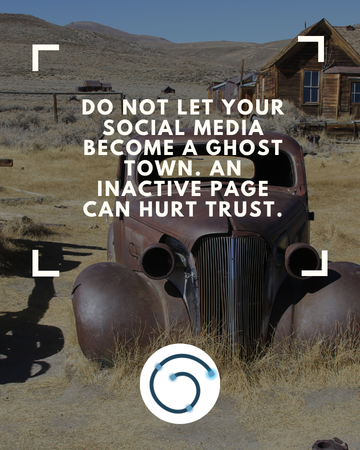
But if someone clicks on your profile and the last post was six months ago, that tells a story too.
It's better to choose a few places where your audience already spends time and keep showing up there.
When people keep seeing you show up, they begin to trust that you'll show up for them too.
One Exercise That Can Change Your Marketing
Joshua shared one exercise that almost anyone can do.
Sit down and write 20 to 30 sentences that begin with:
"We help..."
Then finish each one with:
"...without..."
For example:
"We help overwhelmed therapists create another stream of income without adding more client hours."
Or:
"We help couples rebuild trust without spending years wondering if things will ever change."
This exercise helps you stop thinking about your service and start thinking about the person you're trying to help.
That's where people finally begin to understand what you really do.
One Next Step
Before you redesign your website or rewrite your homepage, ask yourself one question.
Am I talking more about what I do or about what my clients are hoping for?
You don't need a perfect website.
You don't need perfect words.
You just need people to understand how their life gets better because they found you.
That's a good place to start.
15 Ways To Create Income Flow from What You Already Know
Subscription give you weekly updates on blogs, podcasts, webinars, and offers from CCS and their partners. We hate SPAM. We will never sell your information, for any reason.
