
How Therapists Can Get Started With Paid Public Speaking
Aug 17, 2026How Therapists Can Get Started With Paid Public Speaking
If you are a therapist, there is a good chance you explain the same ideas over and over again.
You help people understand anxiety.
You teach people how to set boundaries.
You explain relationships, grief, trauma, parenting, communication, burnout, or whatever problem you have spent years learning how to solve.
After a while, you can forget how valuable that knowledge is.
That is one of the things that stood out to me in my conversation with Dustin Rivenbark from Built Different Speakers Academy.
Public speaking may be one way to take what you already know outside the therapy room and help more people.
But where do you start?
That was the question I wanted Dustin to answer.
Why Would a Therapist Want to Speak?
Before you start looking for stages, Dustin says you need to answer a simpler question.
Why do you want to do this?
He told me:
“The first step, James, that you need to take is to begin to understand your why.”
That sounds simple, but I think it matters.
Public speaking is not always easy.
You will send emails and not hear back.
You may compare yourself to speakers with bigger stages, bigger audiences, or bigger businesses.
There will be days when nobody seems interested.
Your reason for doing this needs to be bigger than getting applause.
For Dustin, that reason came out of some painful experiences.
He lost his job. He and his wife lost their daughter, Callie Grace. Then he lost his mother and grandmother.
Those experiences changed the way he thought about time.
He said:
“We only get one shot at this life, this side of eternity.”
That became part of his reason for speaking.
Your reason may be different.
Maybe you want to help more people than you can see in one week.
Maybe you are tired of all your income being tied to the therapy hour.
Maybe you want to teach something you have spent twenty years learning.
Maybe you just keep thinking, “More people need to hear this.”
That is a good place to start.
What Does It Mean to Be a Public Speaker?
I think some therapists hear “public speaker” and imagine a giant stage, bright lights, and thousands of people.
That picture can make the whole thing feel impossible.
But that is not where most people start.
A public speaker is simply someone who takes a useful message and shares it with a group of people who need it.
That could be:
- A school
- A church
- A nonprofit
- A company
- A professional conference
- A local organization
You do not have to start at Carnegie Hall.
You start by asking, “What problem can I help solve?”
Dustin used a picture I really liked.
He said you want to become a red baseball in a sea of green baseballs.
If you copy every other motivational speaker, nobody knows why they should hire you.
His point was simple:
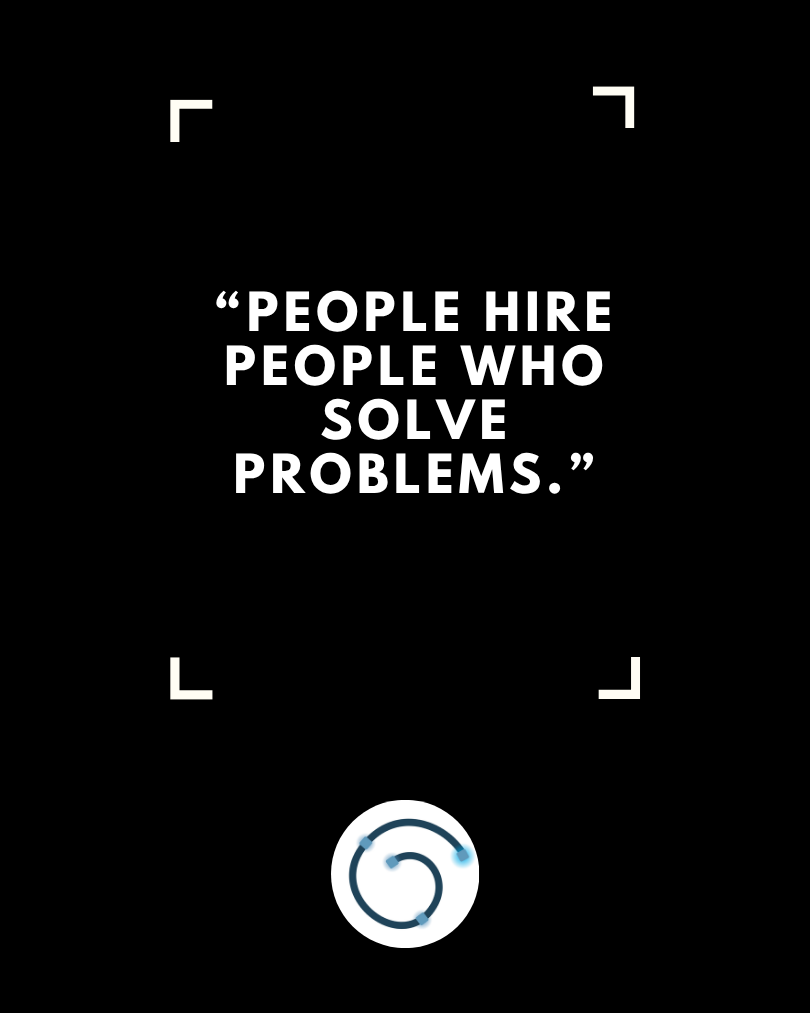
“People hire people who solve problems.”
That is especially good news for therapists.
You already solve problems.
The work now is learning how to take one of those problems and turn it into a clear talk.
Who Is Your Audience?
This may be the biggest mistake new speakers make.
They want to help everybody.
Dustin said:
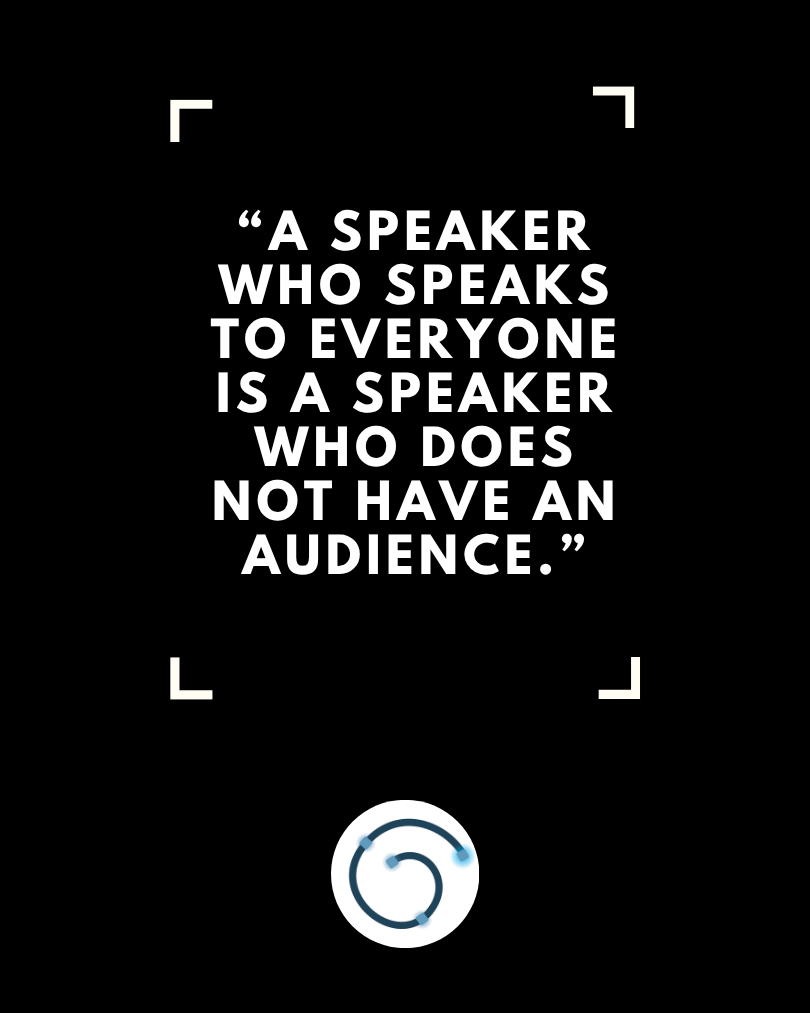
“A speaker who speaks to everyone is a speaker who does not have an audience.”
I get it.
When you know your work can help a lot of people, it feels strange to narrow it down.
But if you say, “I speak about mental health for everyone,” where do you even start?
Who hires you?
Who needs you?
Where do you find them?
Dustin suggested getting very specific.
Who needs this message?
What are they struggling with?
Where do they gather?
Are they in schools?
Businesses?
Churches?
Nonprofits?
Conferences?
I shared an example in the episode about someone who worked in health and weight loss.
At first, the message was about losing weight and looking better.
But some of her older clients did not really care about that.
They wanted to be able to take walks with their grandkids.
That was the real problem.
That is the level you want to get to.
Do not just ask, “What do I teach?”
Ask, “What does this help someone do?”
When Should You Start?
This may be my favorite part.
You do not need the perfect website.
You do not need thousands of followers.
You do not need some complicated system.
Dustin said:
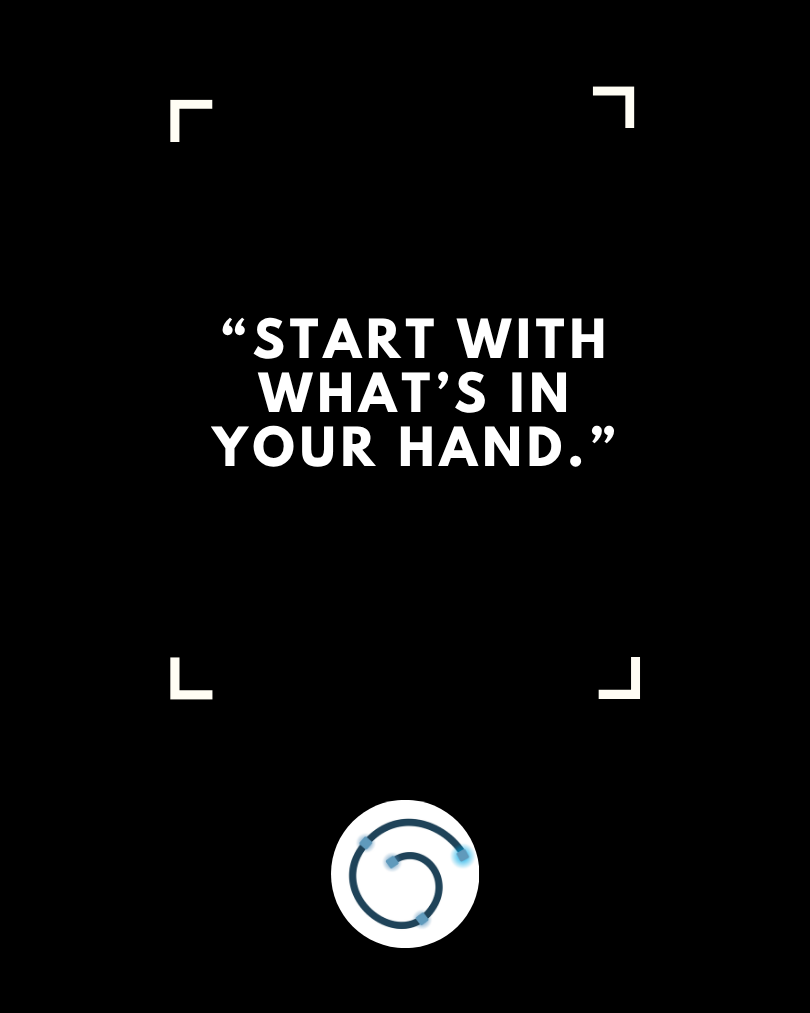
“Start with what’s in your hand.”
He suggested creating a speaker one sheet.
I actually had to do this myself.
Dustin asked me for one, and I did not have it.
So I made one.
I gathered some information about my work, what I talk about, who I help, and some examples of things I had already done.
It took about an hour.
Now I have it.
That is how some of this works.
You do the first simple thing.
Then the next thing gets easier.
Dustin also said something that should get your attention:
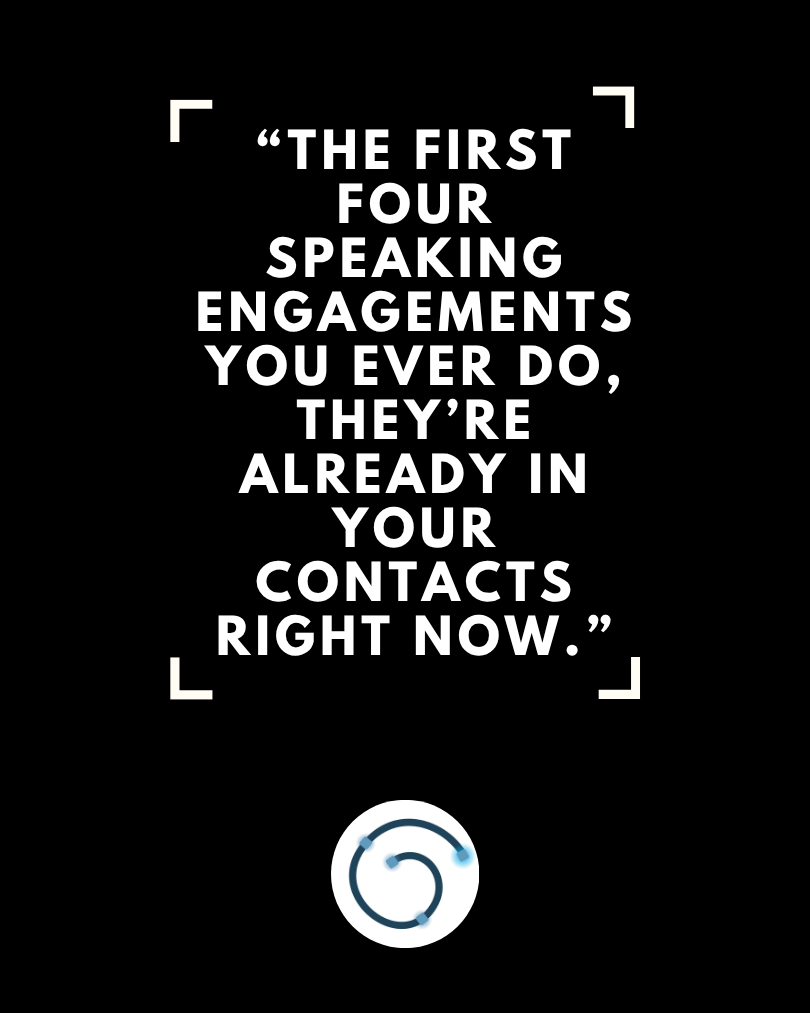
“The first four speaking engagements you ever do, they’re already in your contacts right now.”
That does not mean you are guaranteed four paid talks.
It means the people who can open your first doors may already know you.
Maybe you know a school administrator.
A pastor.
A business owner.
A conference organizer.
A nonprofit leader.
You do not always need a bigger audience.
Sometimes you need to look through your phone.
Your First Step Into Public Speaking
If public speaking has been sitting in your “someday” pile, do not start by building a huge business.
Start smaller.
Pick one problem you help people solve.
Figure out who needs help with that problem.
Then think about where those people already gather.
That is enough for today.
You do not need the whole map.
You just need the first step.
If you want help taking that first step, Dustin and I are hosting a live virtual workshop, Turn Your Experience Into Paid Public Speaking, on Friday, August 28.
You can learn more and reserve your seat at:
https://www.coursecreationstudio.com/Paid_Public_Speaking
15 Ways To Create Income Flow from What You Already Know
Subscription give you weekly updates on blogs, podcasts, webinars, and offers from CCS and their partners. We hate SPAM. We will never sell your information, for any reason.
