
Beyond “Fine”: Games That Help Kids Talk About Feelings
Sep 01, 2026Make Hard Conversations Easier: Games for Grief, Feelings, and Connection
Have you ever asked a kid, “How was your day?” and gotten one word back?
“Fine.”
Maybe you try again.
“How are you feeling?”
“Okay.”
That can be frustrating for a parent. It can also be frustrating for a therapist who knows there is more going on underneath the surface.
Sometimes the problem is not that kids do not want to talk. They may not know how to talk about what is happening inside them. Or the conversation itself feels like too much pressure.
That is where games can help.
On the Scaling Therapist Podcast, I talked with Krista Smith-Larson, founder of Winning Communications, about using games to make difficult conversations around grief, divorce, anxiety, trauma, and big feelings feel safer.
Sometimes Sitting Down to Talk Is the Problem
Krista learned this first as a mom.
Her family walked through divorce, single parenting, remarriage, blended family life, and eventually the loss of her husband. As her kids got older, she noticed something many parents have experienced.
The harder she tried to get them to talk, the more they shut down.
Krista said she got tired of hearing “fine,” “okay,” and “whatever.”
I get it.
When you know someone you love is hurting, your first instinct is often to ask more questions.
What happened?
Why are you upset?
What are you thinking?
But sometimes more questions feel like more pressure.
Krista found another way.
She brought out a game.
Now they were not sitting across from each other having a serious conversation about feelings. They were playing.
They could laugh. Move pieces. Roll dice. Pull cards.
And somewhere in the middle of all that, the conversation started.
Play Can Take Some of the Pressure Off
One thing Krista said really stuck with me.
Games can make the conversation feel less threatening.
Instead of a child feeling like every eye in the room is waiting for an answer, the attention is shared with the game.
You pull a block.
You roll the dice.
You draw a card.
Then a question comes up.
That little bit of distance can make a big difference.
For therapists, this may give a child time to build trust before going deeper. For parents, it can create a chance to talk without turning dinner into an interview.
Krista described it as two people having a conversation while also playing and having fun.
That sounds simple.
Sometimes simple is exactly what we need.
Help Kids Find Words for What They Feel
Another problem is that children may feel something without having the words to describe it.
They know their stomach feels strange.
They know they want to hide.
They know they are angry.
But they may not know the difference between embarrassed, anxious, disappointed, lonely, or afraid.
Krista has built games around helping kids connect feelings with actual experiences.
One game uses emojis and situations.
A child might roll something that asks about a time they felt happy with their dad. Another roll might lead to a conversation about feeling hurt at school.
Another game uses a Twister-style mat with different emotions. Kids connect a feeling to a memory before placing a beanbag.
There is movement. There is play. And there is still real conversation happening underneath it.
Kids are not just learning the definition of an emotion.
They are learning, “Oh, that is what this feeling is called.”
That gives them something they can use later.
Give People Permission Not to Answer
Krista’s first game, Slippery Slope, includes something I really liked.
Grace Cards.
Players answer questions about feelings and actions related to situations such as divorce or loss. But if someone gets a question they are not ready to answer, they can use a Grace Card and skip it.
Nobody has to force the conversation.
That matters.
When people know they have a way out, they may actually feel safer staying in.
Krista said that over time, players often stop needing the Grace Cards because they become more comfortable opening up.
There is a lesson there beyond games.
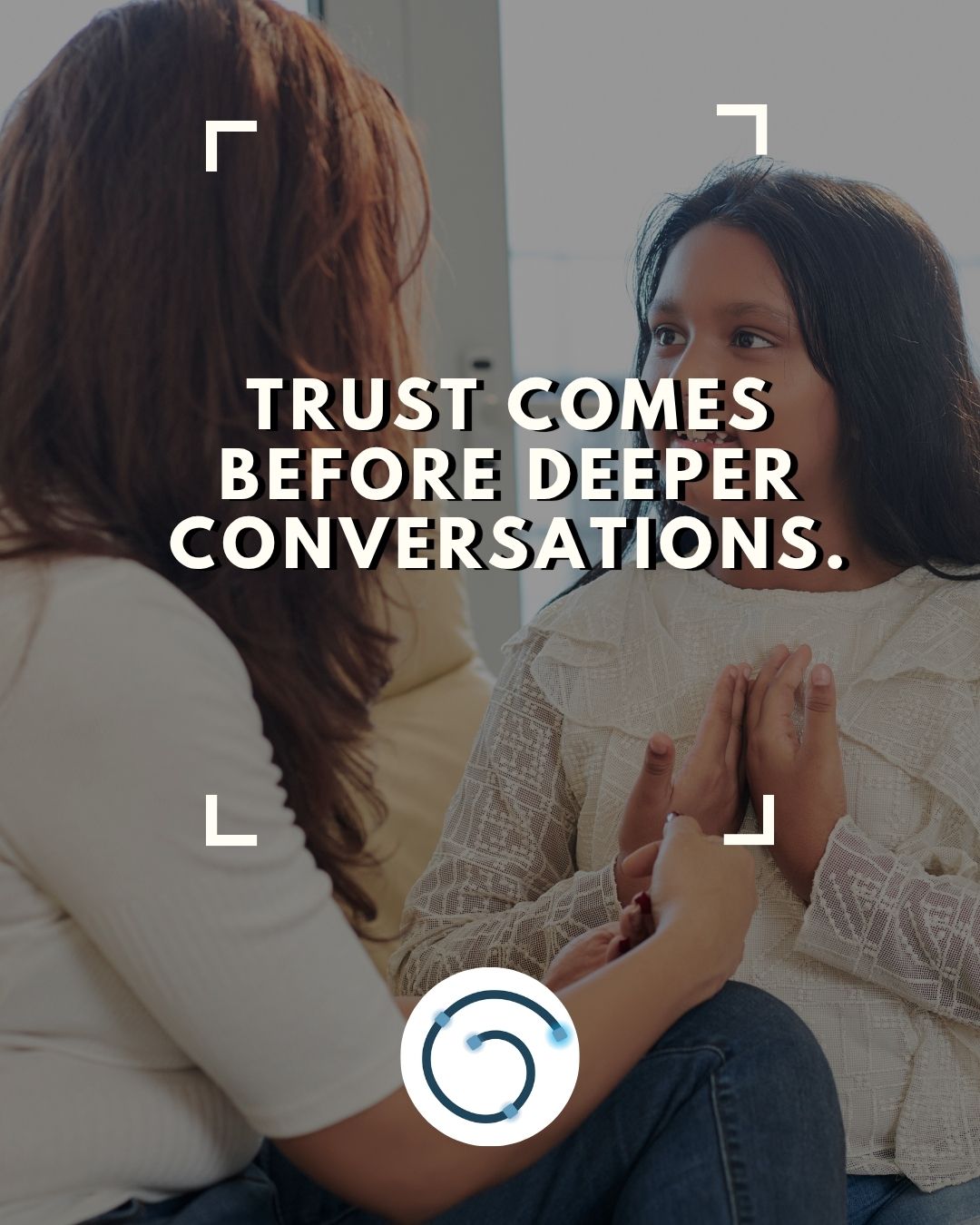
Safety comes before depth.
If we want honest conversations, sometimes the best thing we can do is stop trying to force honest conversations.
Games Can Help You Get to the Real Issue
Krista has now created a collection of games that address topics including divorce, grief, blended families, foster families, adoption, anxiety, depression, trauma, and self-esteem.
Her Connect Blocks game works a little like Jenga.
There is a base set with simple, safe questions. Then you can add topic-specific blocks depending on what someone is going through.
If a child is dealing with divorce and anxiety, for example, those questions can be mixed into the game.
That makes the conversation more specific without turning it into an interrogation.
This is one of the reasons Krista sees therapists as a natural fit for these tools.
A game does not replace the therapist.
It gives the therapist another door into the conversation.
And sometimes getting through the door is the hardest part.
You Do Not Have to Have the Perfect Answer
There was another part of our conversation that hit home for me.
Parents sometimes think they need to know exactly what to say.
But there can be something powerful about a parent saying, “I don’t know either.”
I remember realizing as I got older that my parents were regular people too.
They struggled.
They made mistakes.
They did not always know what to do.
When they were willing to admit that, it changed the conversation.
Krista encourages parents to play alongside their kids. Everyone answers. Everyone talks. Nobody has to pretend they have life figured out.
That kind of honesty can build connection too.
The goal is not to win the conversation.
The goal is to make room for one.
One More Hard Conversation Worth Having
Games are fun.
HIPAA violations? Not so much.
If a HIPAA issue happened in your practice tomorrow, would you know what to do? Or would you be searching through scattered forms, policies, and old files trying to figure it out?
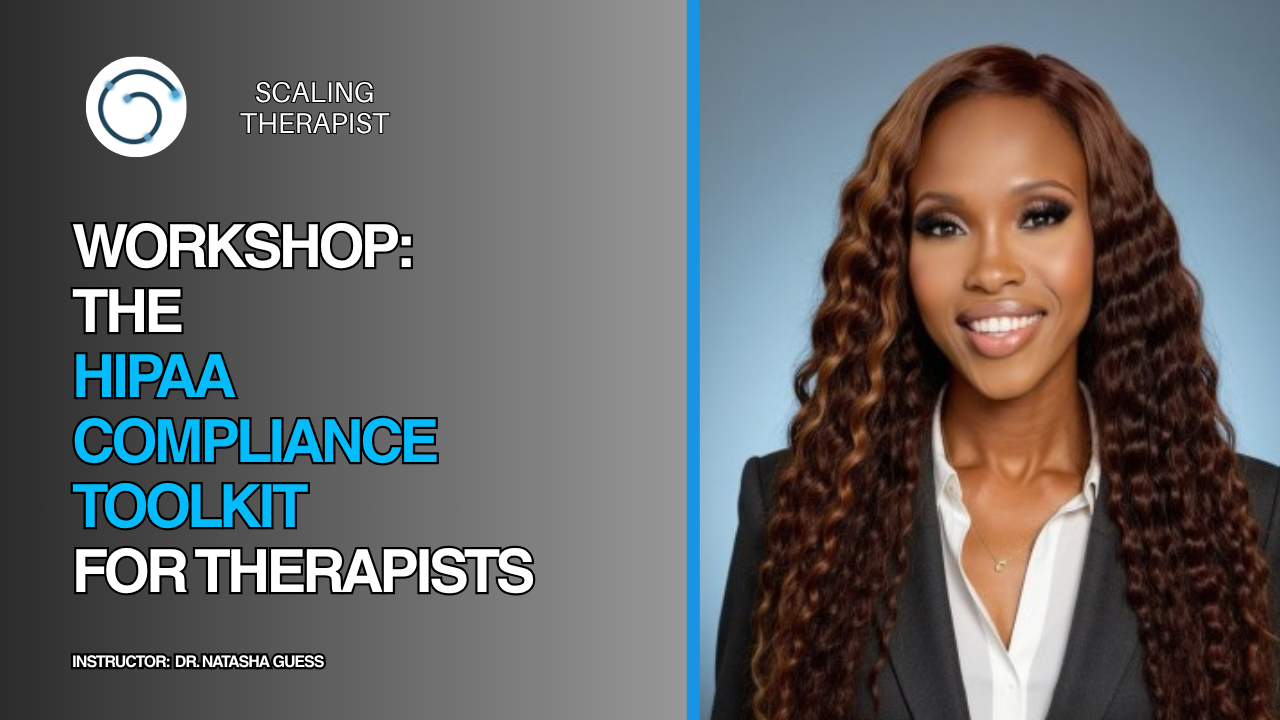
Dr. Natasha Guess is leading The HIPAA Compliance Toolkit Workshop on Friday, September 18 at 11:00 a.m. Eastern.
It is virtual, and she will help you apply the toolkit to your practice, answer your questions, and turn your HIPAA policies into something you can actually use.
Go to CourseCreationStudio.com to learn more and register for the workshop.
15 Ways To Create Income Flow from What You Already Know
Subscription give you weekly updates on blogs, podcasts, webinars, and offers from CCS and their partners. We hate SPAM. We will never sell your information, for any reason.
